Laser Hair Removal in Langley, BC: How it Works + How Many Sessions?
Updated: Apr 20
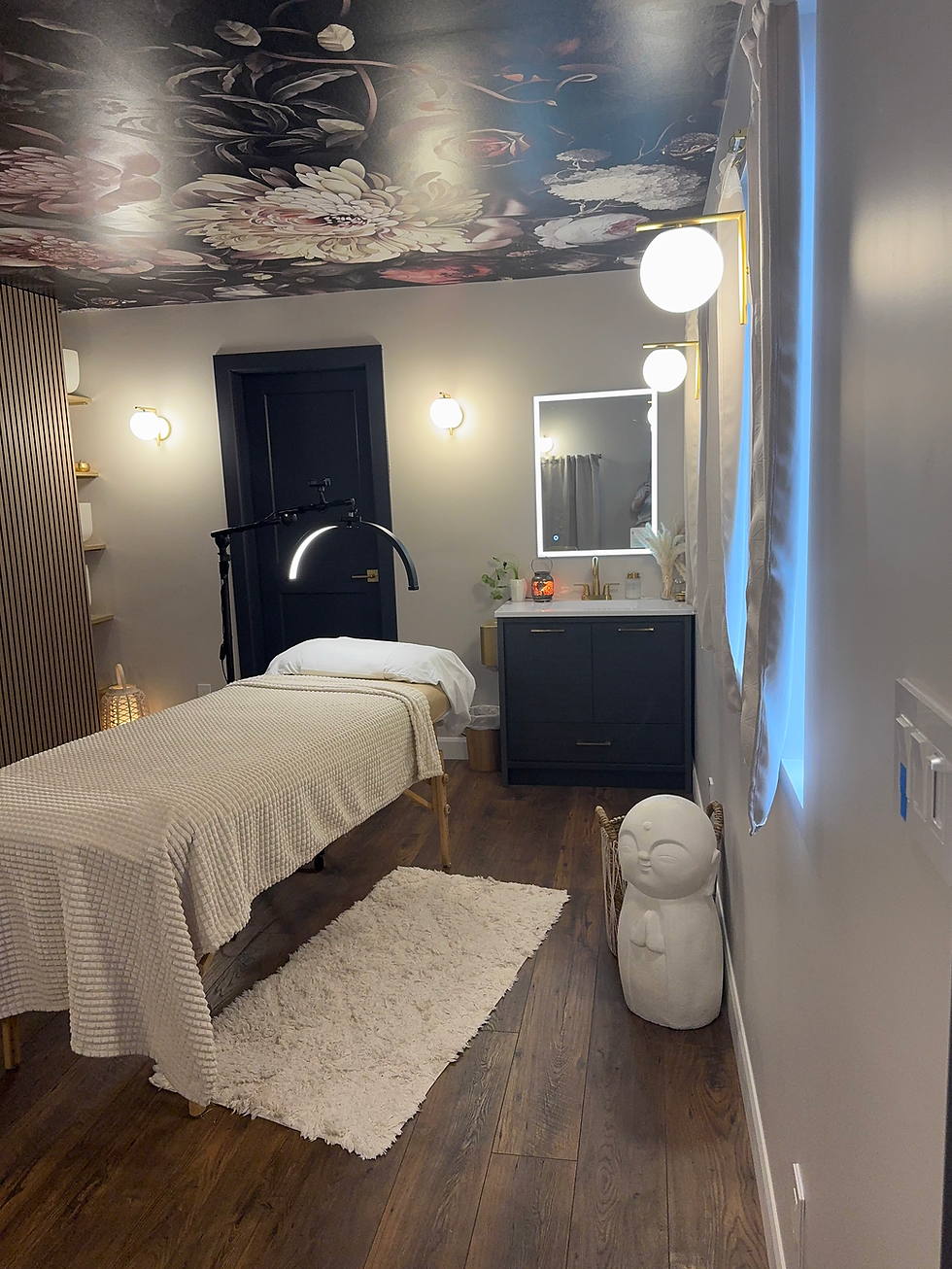
At Live Awake Wax & Laser Studio in Langley (Brookswood), we offer private, one-on-one IPL hair removal appointments—so you can ask questions, feel comfortable, and get a plan that fits your skin and hair.
Ready to get started? Book online here or schedule a consultation.
If you are tired of shaving every few days, dealing with razor burn, or fighting the same ingrown hairs over and over, it makes sense to ask: how does IPL hair removal work? The short answer is that IPL uses pulses of broad-spectrum light to target pigment in the hair, heat the follicle, and slow future growth. The better answer is a little more nuanced, because results depend on your hair color, skin tone, treatment schedule, and the skill of the provider guiding the process.
At Live Awake Wax & Laser Studio private studio, this matters even more. Hair removal is personal, and for many clients, comfort and trust are just as important as the technology itself. Understanding what IPL is actually doing in the skin can help you feel more confident about whether it is the right fit for your goals.
How does IPL laser hair removal work on the hair follicle?
IPL stands for intense pulsed light. Unlike a single-wavelength laser, IPL delivers a range of light wavelengths. That light is attracted to melanin, which is the pigment found in darker hair. When the pigment absorbs the light, the energy converts to heat. That heat travels down the hair shaft into the follicle and disrupts its ability to produce strong, healthy regrowth.
The goal is not to make hair disappear instantly after one appointment. The goal is progressive reduction. Over a series of treatments, the follicles that are successfully targeted produce finer hair, grow more slowly, or stop growing altogether for long periods.
This is why IPL works best when the hair has enough pigment to attract the light. Dark brown or black hair usually responds very well. Blonde, gray, white, and red hair can be much harder to treat because there is less pigment for the light to target.
Why you need more than one session
Hair does not all grow at the same time. Every area of the body has hairs cycling through different phases: active growth, transition, and resting. IPL is most effective when a hair is in the active growth phase because the follicle is connected and easier to heat effectively.
That is the reason one treatment can help, but a series of treatments is what creates meaningful reduction. At any given appointment, only some of your hairs are in the right stage to respond. The next session catches a different group of hairs as they enter active growth.
For most clients, appointments are spaced several weeks apart depending on the area being treated. Facial hair often needs closer scheduling than body hair because it cycles faster. Hormonal areas, such as the face, underarms, and bikini line, may also need more maintenance over time.
What IPL feels like during treatment
Clients often ask whether IPL hurts. The honest answer is that it depends on your sensitivity, the area being treated, and the settings needed for your hair and skin type. Most people describe it as a quick snap of heat, similar to a small elastic band flick against the skin.
Some areas are easier than others. Legs and arms are often very tolerable. The upper lip, bikini line, and more intimate areas can feel stronger because the skin is thinner and more sensitive. A skilled provider adjusts the treatment carefully while keeping safety and results in balance.
You may notice mild warmth or redness right after the session, similar to light sun exposure. That reaction usually settles fairly quickly. Good aftercare and avoiding heat, friction, and sun exposure right after treatment can make the skin more comfortable.
Who is a good candidate for IPL laser hair removal?
IPL can be a great option for many adults who want a longer-term reduction in unwanted hair and less dependence on shaving or waxing. It is especially appealing for people who are prone to ingrown hairs, irritation, and dark shadowing from frequent shaving.
That said, not everyone is the same candidate. IPL generally works best when there is a strong contrast between the hair and skin, such as darker hair on lighter skin. Depending on the device and the provider's training, some skin tones can be treated safely and effectively, while others may need a different approach. This is one reason a proper consultation matters so much.
You may not be an ideal candidate for IPL if your hair is very light, if you have recently tanned skin, or if you use medications or have health conditions that increase light sensitivity. Pregnancy, certain skin conditions, and active infections in the treatment area can also affect timing or suitability. A thoughtful provider will screen for all of this before beginning.
Areas we treat (popular in Langley)
Underarms, bikini, brazilian
Legs, arms
Face (upper lip/chin)
Back, chest, shoulders, neck, manzilian (popular for men)
What results should you realistically expect?
The word permanent gets used loosely in this industry, and that can create unrealistic expectations. IPL is best understood as long-term hair reduction, not a guarantee that every follicle is gone forever.
Many clients see hair become sparser, finer, and slower to return after a series of sessions. Some areas may respond dramatically. Others may still have some regrowth that needs occasional maintenance. Hormones play a big role here, especially for facial hair or areas affected by PCOS, menopause, or other endocrine changes.
You may also notice that hair sheds after treatment rather than falling out right away. That is normal. It can look like the hair is still growing for a short time, when in reality it is working its way out of the follicle.
The best outcomes usually come from consistency. Skipping sessions, tanning between appointments, or switching back and forth between hair removal methods can interfere with progress.
How to prepare for IPL laser hair removal
Preparation is simple but important. The area is usually shaved before treatment so the light can focus below the surface instead of singeing longer hair above the skin. Waxing, tweezing, and threading should be avoided before appointments because they remove the root, and the root is what the light needs to target.
Sun exposure is another big factor. Tanned skin contains more pigment, which can increase the risk of irritation or pigmentation changes and may limit how aggressively the treatment can be performed. For the safest and most effective session, skin should be as close to its natural tone as possible.
It is also smart to arrive with clean skin, free of heavy lotions, oils, self-tanner, or active products that might increase sensitivity.
Why consultation and privacy matter
Light-based hair removal is not one-size-fits-all. A good consultation should cover your skin history, medications, previous hair removal methods, sun habits, and what kind of results you actually want. It should also leave room for questions, especially if you are treating a sensitive or intimate area for the first time.
For many clients, privacy changes the whole experience. Asking about bikini, Brazilian, facial, or body hair can feel vulnerable. In a one-client-at-a-time setting, there is more space to ask honest questions, discuss concerns, and receive a treatment plan that feels personal rather than rushed. That client-centered approach is part of why many people choose a boutique studio such as Live Awake Wax & Laser Studio over a larger, busier environment.
How does IPL hair removal work over the long term?
Over time, repeated IPL treatments can weaken the follicles enough that hair grows back finer, patchier, and less often. Some follicles may stop producing visible hair for long stretches. Others may reactivate later because of hormones, age, or natural body changes.
That does not mean the treatment failed. It means biology is dynamic. Maintenance sessions are a normal part of long-term hair reduction for many people, especially in hormone-sensitive areas.
If your goal is less shaving, fewer ingrown hairs, smoother skin, and a more predictable routine, IPL can be a very worthwhile option. The key is choosing a provider who treats your skin and your concerns with care, explains the trade-offs honestly, and builds a plan around what will work best for you.
The right hair removal treatment should leave you feeling more comfortable in your skin, not more confused about your options.
IPL Hair Removal FAQ
How many sessions will I need?
Most clients need a series of sessions for best results (often around 6–10 depending on area, hair, and hormones).
How far apart are sessions?
Typically every 4–8 weeks depending on the area.
Can I do IPL if I’m tan?
It’s safest and most effective when your skin is close to its natural tone—avoid tanning before and after.
Should I shave before my appointment?
Yes—shaving is recommended. Avoid waxing/tweezing beforehand.
Is IPL permanent?
Think long-term reduction. Some areas may need maintenance, especially hormone-sensitive zones.
If you’re in Langley or Brookswood and you’re ready for smoother skin with fewer ingrowns, we’d love to help. Book your IPL hair removal appointment online, or reach out with questions—we’re happy to guide you. Book Online here!
Text 604-720-5445


Comments